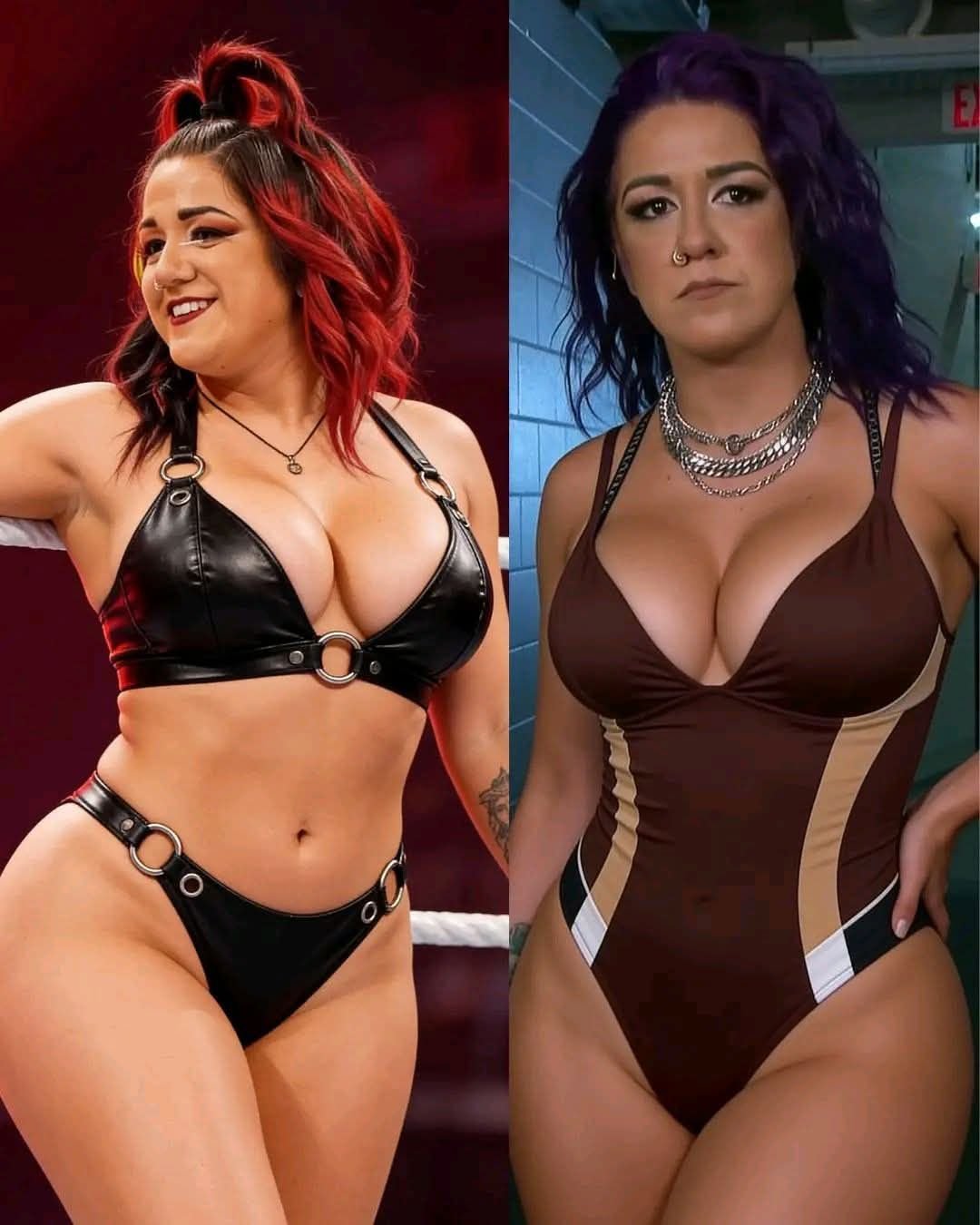
The Bayley “Unseen Photo” Scandal: A Deep Dive into Digital Deception and Fandom

In the hyper-accelerated world of professional wrestling and social media, the line between reality and fiction is often deliberately blurred. Storylines are crafted, personas are amplified, and kayfabe—the illusion of reality—has evolved for the digital age. Yet, sometimes, a piece of fiction emerges from outside the scripted arena that shocks the ecosystem more than any planned plot twist. This was precisely the case when a purported “unseen” and private photo of WWE superstar Bayley began circulating virally online, igniting a firestorm of controversy, concern, and ultimately, a masterclass in modern media literacy.
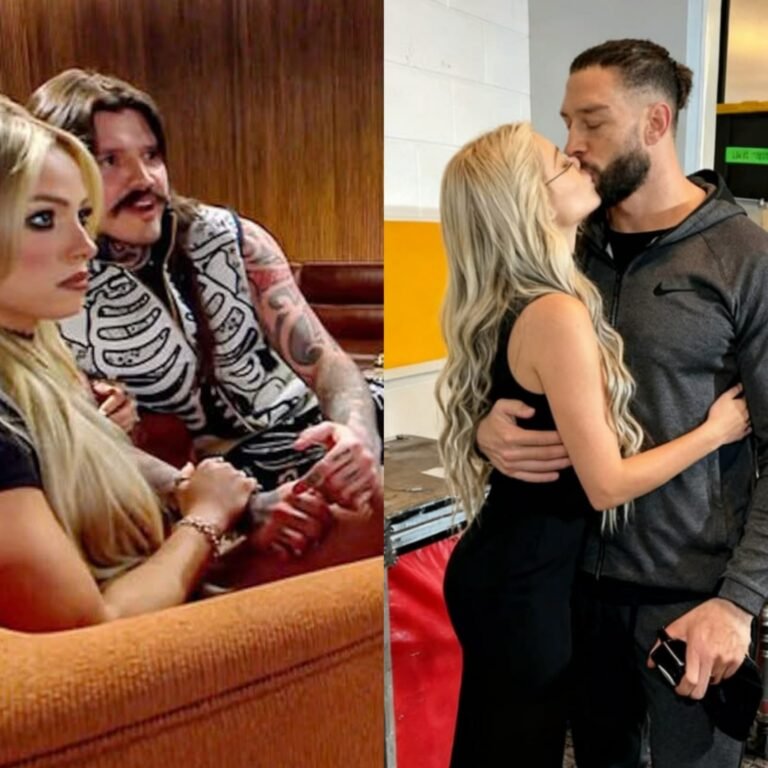
The photo in question was, on its surface, jarringly intimate. It appeared to depict Bayley in a vulnerable, non-public moment, a stark contrast to her confident, hug-giving, role-model “Role Model” character on screen. Unlike the high-quality, dynamically staged images fans are accustomed to from WWE photoshoots or live events, this one felt clandestine, as if leaked from a private sphere. Within hours, it spread like wildfire across Twitter (now X), Instagram, Reddit, and niche wrestling forums. The caption was almost always some variation of: “UNSEEN Bayley photo leaked!” or “OMG, is this real?”
The initial reaction was a turbulent mix of shock, outrage, and morbid curiosity. A segment of the fanbase, quick to judge, erupted in a frenzy of gossip and speculation. The comments sections became battlegrounds, with some expressing misplaced concern, others engaging in blatant victim-blaming, and a few, thankfully, sounding the alarm on its authenticity. This is the first tragic phase of such a viral fake: the erosion of a person’s digital dignity. Bayley, a performer who has meticulously curated her public image over a decade, was suddenly at the mercy of a potentially damaging, non-consensual digital ghost.
However, the internet also houses its own immune system. Almost simultaneously, a counter-wave began to build. Digital forensics enthusiasts, skeptical fans, and Bayley’s dedicated loyalists went to work. The debunking was swift and methodical. Experts pointed out tell-tale signs of AI-generated imagery or sophisticated photo manipulation: inconsistent lighting on the face versus the background, slightly blurred pixelation around the edges of her hair where digital grafting might have occurred, and shadows that defied a single light source. Comparisons were made to known, legitimate photos of Bayley from similar angles, highlighting discrepancies in facial structure and skin texture.
The most compelling evidence, however, came from the context and the source. The image had no provenance. No reputable news outlet, photographer, or even dubious gossip site claimed ownership or provided a backstory. It had simply materialized from the darkest corners of the web, a classic hallmark of a manufactured scandal. Bayley’s own social media remained silent on the issue—a silence that many initially misinterpreted but later understood as a refusal to dignify the falsity with a response. WWE, known for protecting its talent from external harassment, also did not amplify the story, further starving the fake of the oxygen of legitimacy.
This incident is far more than just a gossip item; it is a microcosm of several critical issues in our digital lives:
1. The Dark Evolution of “Deepfakes” and Digital Forgery: The Bayley photo scandal represents a new tier of accessible deception. We have moved past clumsy Photoshop jobs. With the advent of powerful generative AI, creating hyper-realistic, damaging imagery of anyone is becoming frighteningly easy. This isn’t just a problem for celebrities; it’s a looming threat to everyone, enabling new forms of bullying, revenge, and political sabotage.
2. The Erosion of Consent and Privacy: For public figures, the concept of privacy is already fragile. A fake “unseen” photo is a violent invasion of that remaining space. It fabricates a reality that never existed, forcing the individual to confront a phantom version of themselves in the public eye. The psychological toll of such an violation, even when proven false, is significant.
3. The Speed of Misinformation vs. the Pace of Truth: The fake photo spread at algorithmic velocity, fueled by clicks, shares, and outrage. The debunking process, though swift in this case, is inherently slower. It requires critical thought, investigation, and collective effort. This asymmetry means the initial lie always gets a massive head start, and its stain can linger long after the truth is established.
4. The Role of Fandom and Critical Thinking: The Bayley incident highlighted the dual nature of fandom. One faction became unwitting amplifiers of the harm. The other became a vital defense network. It underscored the urgent need for digital literacy—to pause before sharing, to question the source, and to look for verification. The wrestling community’s collective effort to shut down the fake was a positive example of how fandoms can self-police.
5. The Unspoken Pressure on the Victim: Notably, Bayley did not publicly address the fake. This is a strategic and personal choice many celebrities are forced to make. Acknowledging it can sometimes grant it more attention, creating a “Streisand Effect.” Yet, staying silent can feel like ceding control. It places the burden of proof and defense on the victim and their community, rather than on the perpetrators.
In the end, the “unseen” Bayley photo was extinguished not by a corporate statement, but by the collective reasoning of the crowd. It now exists as a digital relic, a cautionary tale referenced in discussions about online safety and AI ethics. For Bayley, the incident is an unwelcome footnote, a reminder of the toxic underbelly of the fame she has earned in the ring.
About the Author