Doctor Said No, But Sol Ruca’s Fighting Spirit Said Yes: The Inside Story of Her Defiant WWE Return

Subheading: A severe injury, stern medical warnings, and the untold pressure that forced a reluctant star back into the spotlight against professional advice.
In the scripted world of professional wrestling, where pain is often part of the performance, real-life injuries carry very real consequences. The story of NXT sensation Sol Ruca is a stark reminder of this line between fiction and reality—a story not just of recovery, but of defiance, pressure, and a controversial return that happened despite medical warnings, not because of them.
Sol Ruca’s trajectory in WWE was meteoric. Her “Sol Snatcher” moonsault wasn’t just a move; it was a viral phenomenon, promising a future paved with championship gold. That promise shattered in April 2023 with a devastating torn ACL during a live event. What followed was the standard public narrative: surgery, rehab, and the hard road back. But behind the scenes, a more complex and fraught drama was unfolding.
The Medical Verdict: “Your Knee Can’t Take It”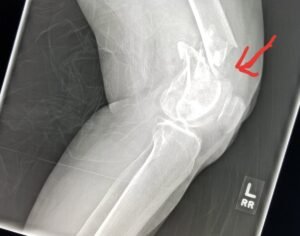
According to sources within WWE’s medical and performance system, Sol Ruca’s rehabilitation from her ACL tear was textbook. She worked tirelessly. However, as her one-year mark approached in early 2024, advanced diagnostic tests and stress analyses revealed a troubling truth.
“The stability wasn’t 100% where they wanted it to be for a high-impact, high-risk style like hers,” revealed an insider familiar with her case. “The surgeons and biomechanists were cautious. The official medical opinion, communicated to her and to management, was to delay her in-ring return. They recommended several more months of targeted strength and proprioception work. The clear message was: ‘A return now significantly increases the risk of re-injury. Your knee is not ready for the Sol Snatcher.'”
For Ruca, this was a crushing blow. The physical setback was compounded by psychological strain—the fear of the move that made her famous, the anxiety of another catastrophic failure. Combined with the doctor’s advice, this led her to a private but firm conclusion: she would not return. Not now, and perhaps not ever.
The “Motivational” Pressure: Between a Rock and a Hard Place
This is where the story diverges from a simple tale of athletic perseverance. With Ruca mentally prepared to extend her hiatus or even walk away, powerful forces began to align to encourage—or, as some sources imply, compel—a different decision.
-
The Creative Itch: WWE’s NXT brand had big plans. Storylines were being drafted, and Ruca was a pivotal piece in the women’s division puzzle. Her absence left a void. There was a palpable creative and commercial push to reintegrate one of their most marketable homegrown stars. “The show must go on” is more than a cliché; it’s an operational reality.
-
The “Prove Them Wrong” Narrative: A recurring theme in wrestling culture is overcoming the odds. Some backstage figures, including veteran coaches, reportedly framed the medical caution not as a warning, but as a challenge. “They’d say things like, ‘Only you know your body,’ or ‘Greatness requires risk,'” a source claimed. This subtly shifted the responsibility from institutional safety to personal grit, applying immense psychological pressure on the young superstar.
-
The Fear of Lost Momentum: In the fast-paced world of WWE, “out of sight, out of mind” is a genuine career threat. Ruca was advised that an extended absence could see her spot taken by the next wave of talent. The unspoken question hung in the air: If you don’t come back now, will there be a place for you later?
-
The Personal Ultimatum: Torn between fear and ambition, Ruca reportedly faced her own internal crossroads. The doctor’s “no” was safe, but it meant abandoning the dream she’d worked for since her teens. The decision to return, therefore, became a defiant act of reclaiming her agency. She would rather risk re-injury than live with the regret of not trying.
The Defiant Comeback: A Calculated Risk
When Sol Ruca finally made her emotional return to NXT, it was clear this was a different competitor. The carefree, explosive aerialist was now a measured and strategic fighter. Her movements were precise, her reliance on high-risk maneuvers noticeably reduced initially. She was wrestling not just her opponent, but her own limitations and the ghost of her doctor’s prognosis.
Every match since has been a tightrope walk. The spectacular “Sol Snatcher” has been used sparingly, a weapon of last resort rather than a regular tactic. Each time she lands it, the relief and triumph on her face are unmistakably real. She is fighting with something more than a desire to win; she is fighting to validate her own difficult choice.
The Uncomfortable Question
Sol Ruca’s story is compelling, but it raises an uncomfortable ethical question: At what point does motivational pressure override medical caution? Her return is a testament to her incredible courage and love for the business. She has, so far, beaten the odds.
However, it also highlights the intense, often invisible pressures placed on performers in an industry that runs on momentum and spectacle. Her journey is no longer a simple comeback tale. It is a high-stakes drama playing out in real-time—a story of a young woman who was told “no” by science, but who chose to listen to the roar of the crowd and the voice of her own ambition, gambling her physical future for a chance at glory. Only time will tell if this defiant bet pays off, or if the doctor’s initial warning will prove tragically correct.
About the Author