Mandy Rose and the Digital Dilemma: Viral Photos, Stolen Identity, and the Battle for Online Image Control



In today’s hyper-connected digital landscape, fame is often accompanied by an unintended consequence: the loss of control over one’s own image. For someone like Mandy Rose—former WWE star turned digital entrepreneur and content creator—this is not just a theoretical concern but a daily reality. The recent surge in Photoshopped images, deepfakes, and manipulated media falsely attributed to her raises critical questions about identity, consent, and personal branding in the internet age. This article explores how Mandy Rose has navigated the murky waters of viral photos, fought to reclaim her narrative, and turned image control into a cornerstone of her business.
Section 1: Mandy Rose’s Digital Empire – Controlled Authenticity
Since her WWE release in late 2022, Mandy Rose didn’t just leave wrestling; she entered the world of content creation with a clear vision: own your image, own your worth. Through platforms like FanTime, Instagram, and OnlyFans, Rose offers exclusive, self-produced content directly to her subscribers. She understands the currency of authenticity in a digital marketplace saturated with fakes. Every photo, every video, every post is curated, intentional, and more importantly—consensual. She has built a multimillion-dollar empire not by accident, but by strategically controlling how, when, and where her image appears.
Key Takeaway: In a world where anyone can copy, edit, or misrepresent, Rose’s business model is rooted in offering real access to her real self—for a price.
Section 2: The Dark Side of Virality: Photoshop, Deepfakes, and Stolen Identity
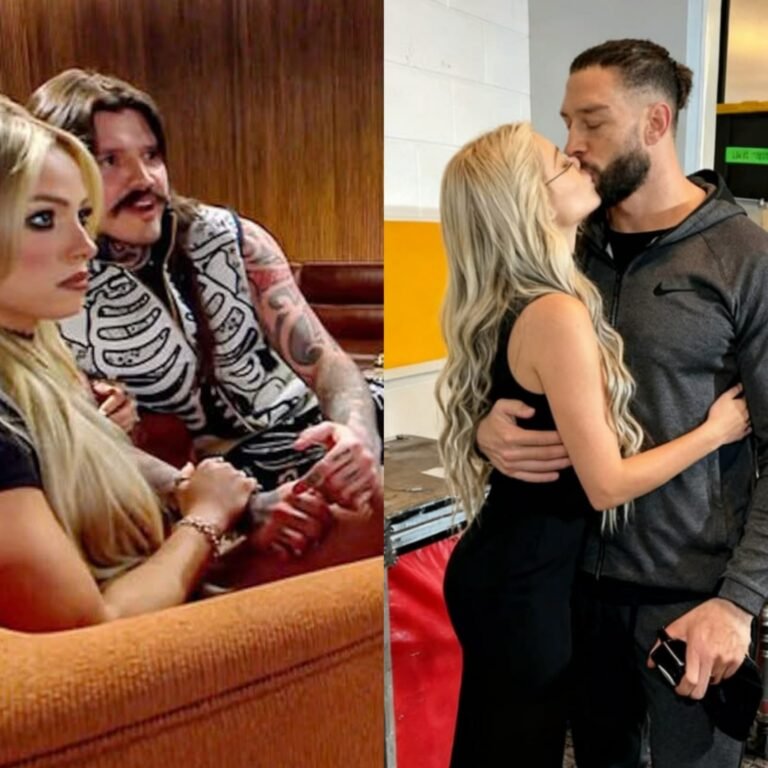
Despite Rose’s tight control over her official content, the internet is flooded with fake, edited, and AI-generated images falsely labeled as “Mandy Rose leaked” or “unseen photos.” These manipulated visuals range from mildly altered pictures to explicit deepfakes, violating her privacy and misrepresenting her brand. Such content spreads rapidly across social media, forums, and clickbait websites, often overshadowing her genuine work. The motives vary: some seek profit through ad revenue, others aim to tarnish her reputation, while many simply chase viral engagement—all at the expense of her autonomy.
Why This Matters:
-
It undermines her carefully built brand of empowered self-expression.
-
It can cause emotional and professional harm.
-
It misleads fans and fuels a culture of non-consensual digital exploitation.
Section 3: How Public Figures Like Mandy Rose Fight Back
Mandy Rose’s response to this challenge has been multi-faceted:
-
Legal and DMCA Action: Like many celebrities, Rose uses Digital Millennium Copyright Act (DMCA) takedowns to remove unauthorized and fake content. Her team actively monitors and reports violations across platforms.
-
Transparency with Fans: She often addresses rumors and fakes directly through her social media or content platforms, clarifying what is real and what is not—strengthening trust with her audience.
-
Reclaiming the Narrative: Instead of shying away from her image, Rose doubles down on authentic content. She shares professional photoshoots, behind-the-scenes moments, and lifestyle content that reflect her true self, making the fakes appear obvious in comparison.
-
Turning Control into Commerce: By offering exclusive, verified content on subscription platforms, she gives fans a legitimate alternative to seeking out manipulated media. In doing so, she monetizes her true image while combating fake circulation.
Section 4: The Bigger Picture – Ethics, Laws, and Online Responsibility
The case of Mandy Rose highlights broader issues in our digital society:
-
Weak Regulations: Laws around deepfakes and digitally manipulated media are still evolving, leaving victims with limited recourse.
-
Platform Accountability: Social media sites often struggle to quickly and effectively remove fake content, especially when it drives high engagement.
-
Public Awareness: Many internet users still cannot distinguish between real and AI-generated or Photoshopped media, leading to unintentional sharing of harmful content.
A Call for Change:
There is a growing need for stronger digital rights frameworks, improved verification tools, and greater public education on media literacy. For influencers and public figures, protecting one’s image is no longer just about PR—it’s about digital self-defense.
Section 5: Mandy Rose as a Case Study in Resilience
Rather than letting fake viral photos define her, Mandy Rose has used the challenge to reinforce her brand message: ownership.
-
She owns her content.
-
She owns her narrative.
-
She owns her success.
About the Author