WWE Star Cora Jade Trends Online After Bikini Pictures Go Viral: Social Media Buzz, Privacy, and Public Reaction

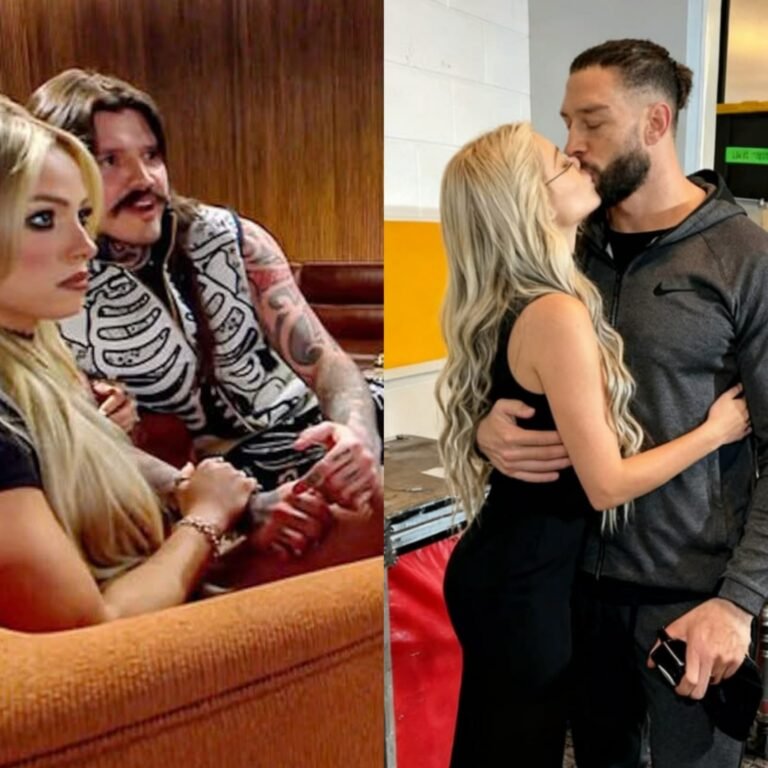
In recent days, WWE NXT superstar Cora Jade has become a trending topic across social media platforms after bikini pictures associated with her began circulating widely online. The sudden virality sparked intense discussion among wrestling fans, entertainment pages, and digital media communities, once again highlighting how quickly online attention can escalate around public figures—especially women in sports entertainment.

While viral moments are not new in the world of professional wrestling, the situation surrounding Cora Jade reflects broader issues related to celebrity culture, social media boundaries, and online responsibility.
Who Is Cora Jade?
Cora Jade, whose real name is Brianna Coda, is a prominent WWE NXT wrestler known for her energetic in-ring style and strong connection with younger fans. Since signing with WWE, she has built a reputation as a rising star and has been featured in several major NXT storylines. Her character development, athletic ability, and confidence have made her one of the most talked-about female performers in the brand.
Like many modern wrestlers, Cora Jade maintains a presence on social media, where she shares aspects of her professional life, training, travel, and occasional lifestyle content.
How the Pictures Went Viral

The bikini pictures that triggered the online buzz reportedly began spreading through fan pages and repost accounts before reaching mainstream platforms such as X (formerly Twitter), Instagram, and Reddit. As with many viral trends, reposting and algorithmic amplification played a major role in how quickly the images gained traction.
Importantly, there has been no official confirmation that the images were leaked or shared without consent. In the digital age, even publicly posted photos can resurface unexpectedly and be framed out of context, leading to exaggerated headlines and speculation.
Fan Reactions: Support, Criticism, and Debate
Fan responses have been mixed:
Supportive fans emphasized that Cora Jade, like any adult, has the right to share personal photos without being judged or objectified.
Critics questioned why such images should become news at all, arguing that athletic achievements deserve more attention than appearance.
Media literacy advocates used the moment to discuss how social media often shifts focus away from talent and toward sensationalism.
Many fans also pointed out the double standards faced by female athletes, noting that similar situations involving male wrestlers rarely receive the same level of scrutiny.
WWE and Public Image
WWE has not released any official statement regarding the viral images, which is consistent with the company’s general approach to performers’ personal social media activity. Over the years, WWE has evolved its stance, allowing talent greater freedom while still expecting professionalism.
In today’s era, wrestlers are not only performers but also brands, and managing public perception has become part of the job. Situations like this underline the challenges of balancing authenticity with public expectations.
The Bigger Issue: Privacy in the Digital Age
The virality of Cora Jade’s pictures brings attention to a larger cultural issue: how quickly personal content can be detached from its original context and turned into trending “news.”
Once something begins circulating online, control is often lost. Even respectful or non-controversial images can become the subject of gossip, commentary, and unwanted attention. For public figures, this can affect mental health, professional reputation, and personal boundaries.
Digital experts frequently remind users that:
Sharing content without context can be misleading
Reposting contributes to unwanted exposure
Respecting consent matters, even for celebrities
Impact on Female Athletes
Female wrestlers often face unique challenges when it comes to public perception. Their athletic accomplishments can be overshadowed by discussions about appearance, clothing, or lifestyle choices. Many performers have openly spoken about the pressure to navigate fame while maintaining control over their image.
Moments like this reinforce calls for fans and media outlets to focus more on performance, storytelling, and athletic skill, rather than turning personal images into viral controversies.
Social Media Responsibility
The incident also raises questions about the responsibility of social media users and content pages. Viral content is driven by engagement, but ethical considerations should not be ignored. Clicking, sharing, or commenting may seem harmless, but collectively these actions fuel online storms that can have real-world consequences.
Several fan communities have encouraged others to:
Avoid spreading unverified content
Respect performers’ personal lives
Shift discussions back to wrestling achievements
What’s Next for Cora Jade?
Professionally, Cora Jade remains focused on her WWE career, with fans eager to see her future matches and storylines. Historically, similar viral moments have had little long-term impact on a wrestler’s career, especially when the performer continues to deliver strong in-ring performances.
As audiences become more aware of digital ethics, there is hope that future discussions will be more balanced and respectful.
Conclusion
The viral spread of bikini pictures linked to WWE’s Cora Jade is less about the images themselves and more about how modern internet culture operates. It highlights the speed of virality, the challenges of privacy for public figures, and the ongoing conversation about respect in online spaces.
Ultimately, Cora Jade’s talent, dedication, and wrestling ability are what define her career—not fleeting social media trends. As fans, shifting focus toward those qualities helps create a healthier and more respectful wrestling community.
About the Author